THE SKIN POÈME JOURNAL
From Skin Poème ↗Facial redness — how to actually calm it (without making it worse)
Chronic redness isn't treated with more products — it's treated with fewer mistakes. The causes, what to remove immediately, and the ingredients that truly calm.

If your cheeks flush from weather, a new cream, spicy food or "for no reason at all" — you're not alone. Chronic redness is one of the main reasons people give up on skincare entirely. But the solution isn't adding products: it's removing mistakes.
First: what kind of redness do you have?
- Reactive flushing — triggered by heat, cold, spicy food, alcohol. Comes and goes. Fully manageable with the right routine.
- Barrier-damage redness — you've used too many exfoliants, aggressive retinol or harsh cleansers. Skin burns and stings with every product. This needs a 2–4 week "skin diet".
- Rosacea — persistent redness in the center of the face, visible vessels, sometimes red bumps. This is a medical condition: gentle products help, but a dermatologist is non-negotiable.
Remove these immediately
Before buying anything calming, check what's causing it:
- Hot water — washing with hot water strips the barrier. Lukewarm, always.
- Harsh foaming cleansers (sulfates) — if your face "squeaks" after washing, the cleanser is the culprit.
- Physical exfoliants and alcohol — scrubs and alcohol toners are the silent criminals of redness.
- Fragrance — "fragrance/parfum" on the label = enemy of reactive skin.
- 10 products at once — every new product is a candidate for irritation. Reduce first, then add.
Ingredients that truly calm
- Azelaic acid — the only ingredient that calms redness AND treats rosacea bumps at the same time. There's a reason dermatologists prescribe it.
- Centella asiatica — the classic Korean soother, strengthens the barrier.
- Panthenol (B5) and ceramides — rebuild the "wall" that keeps irritants out.
The Korean solution — 3 steps
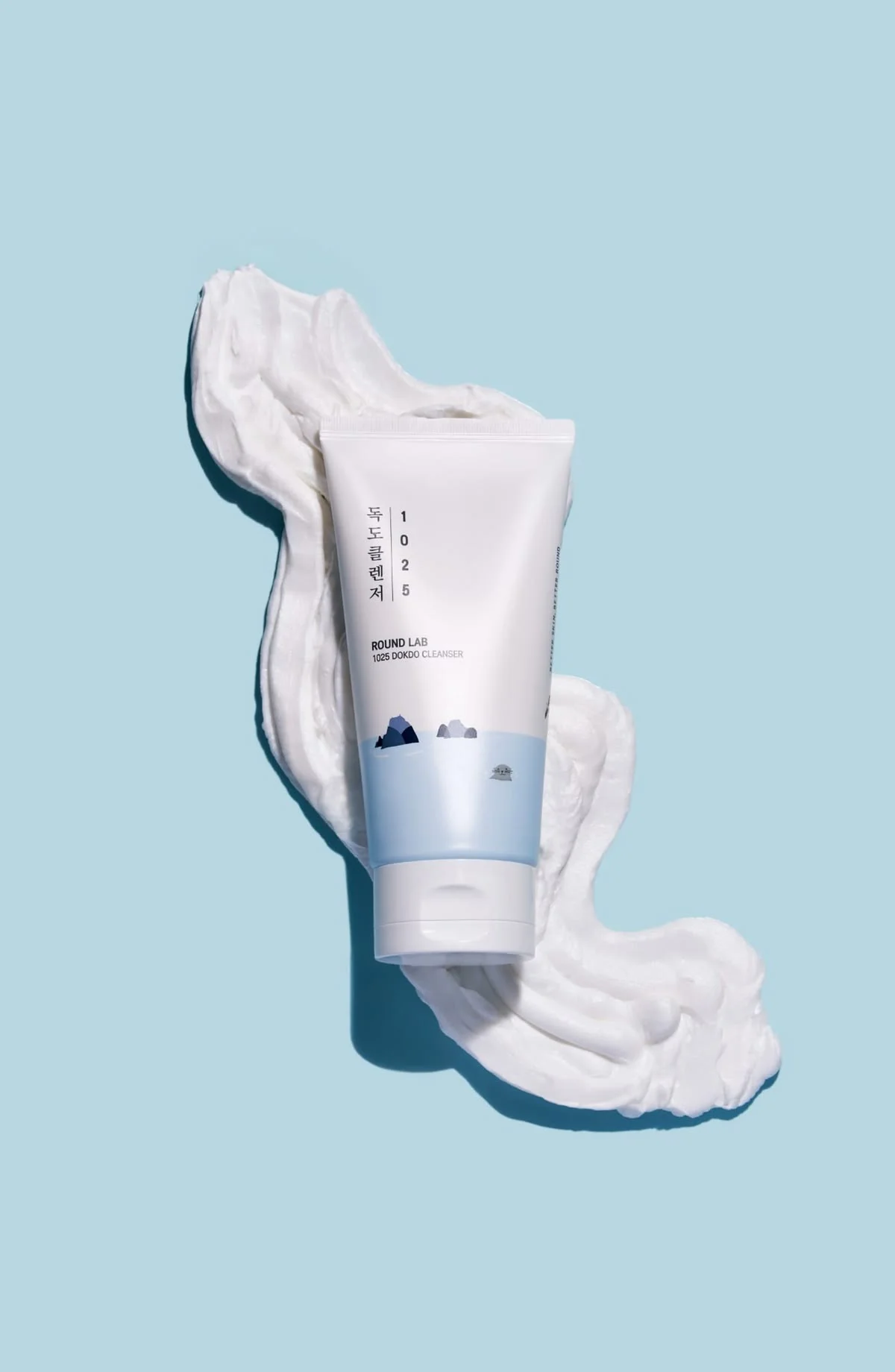
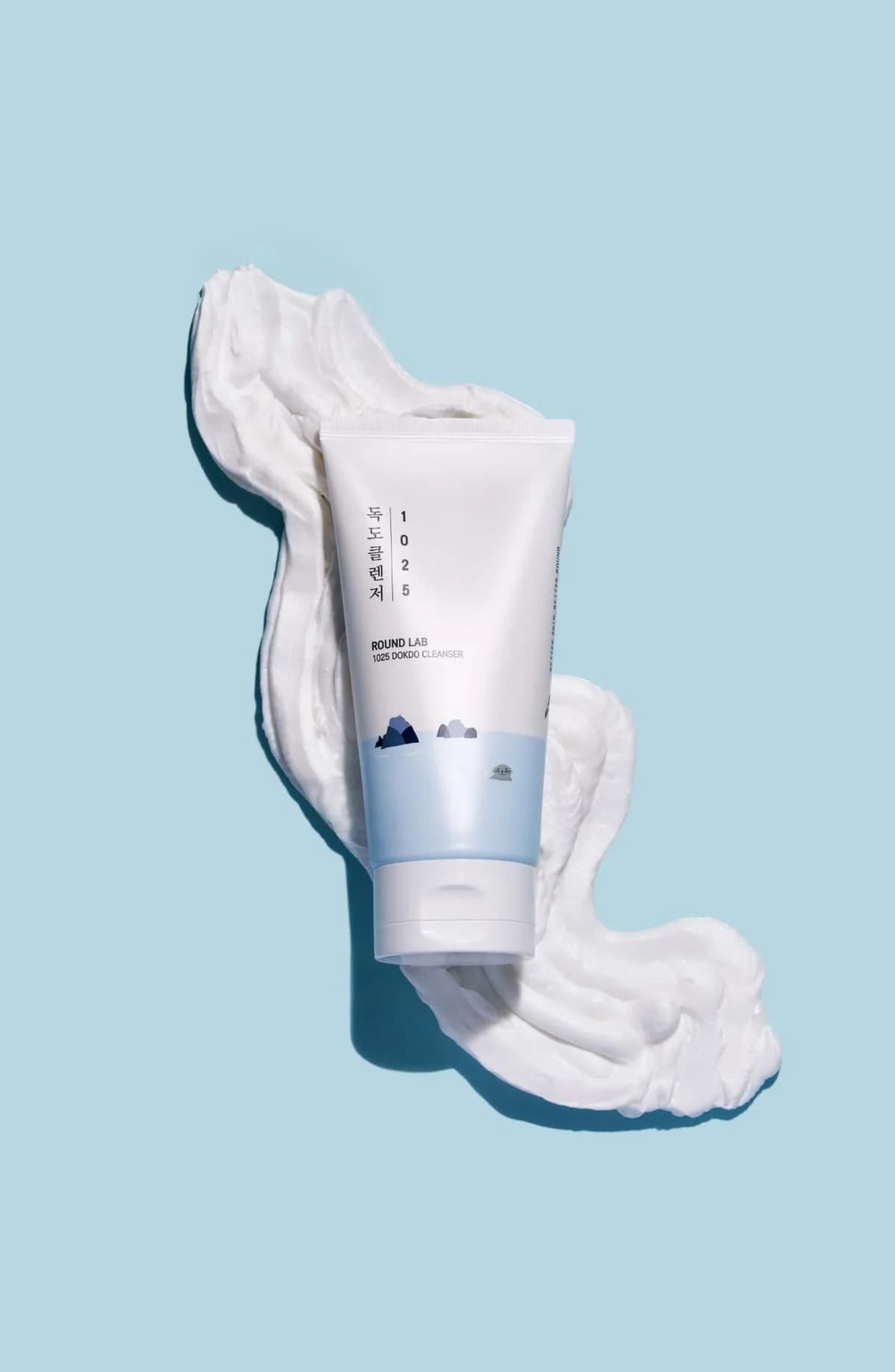
1. Cleanse without damage: Round Lab 1025 Dokdo Cleanser — a low-pH, sulfate-free cleanser with mineral water from Dokdo island. Cleans without that "tight face" feeling that is the first sign of barrier damage.
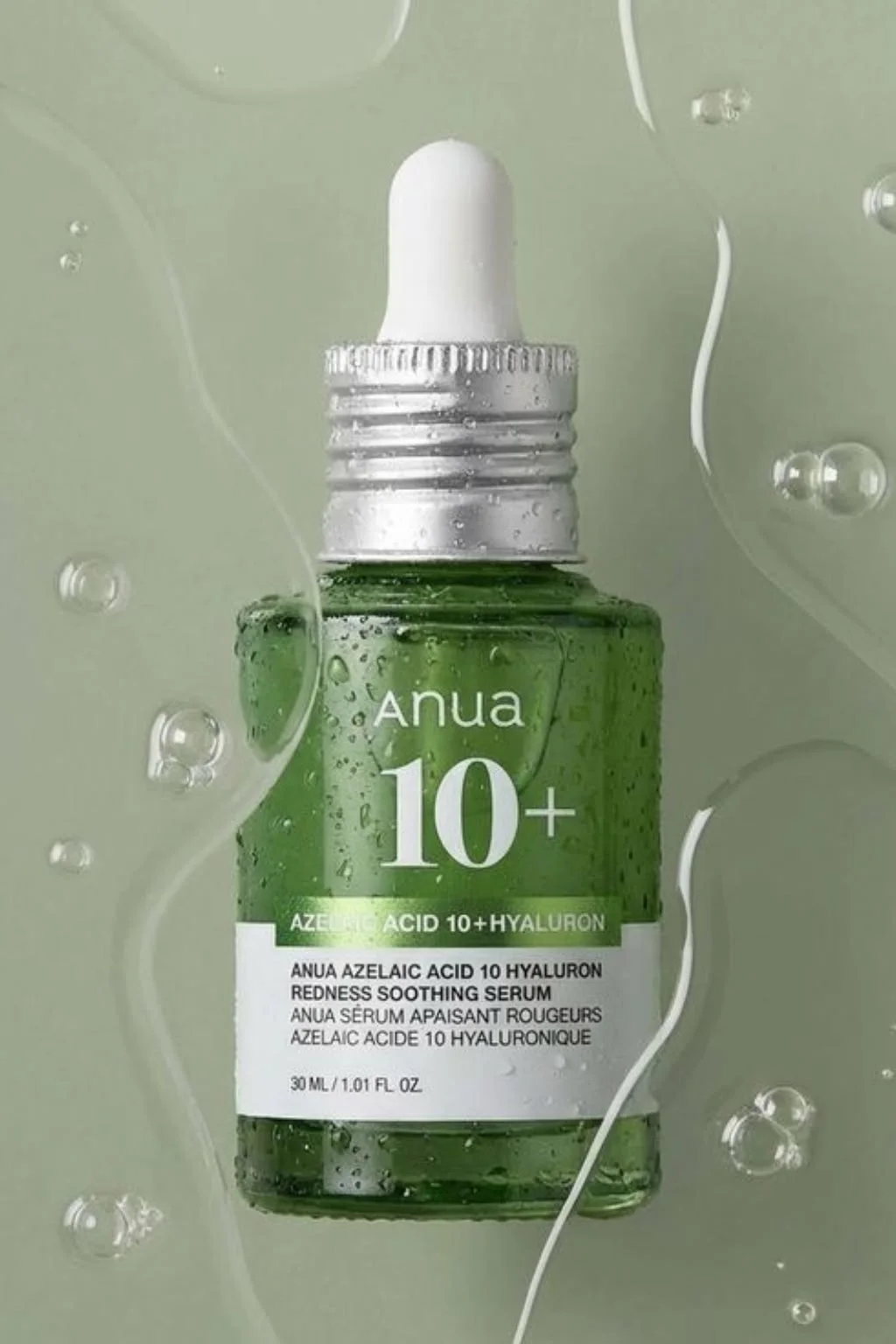
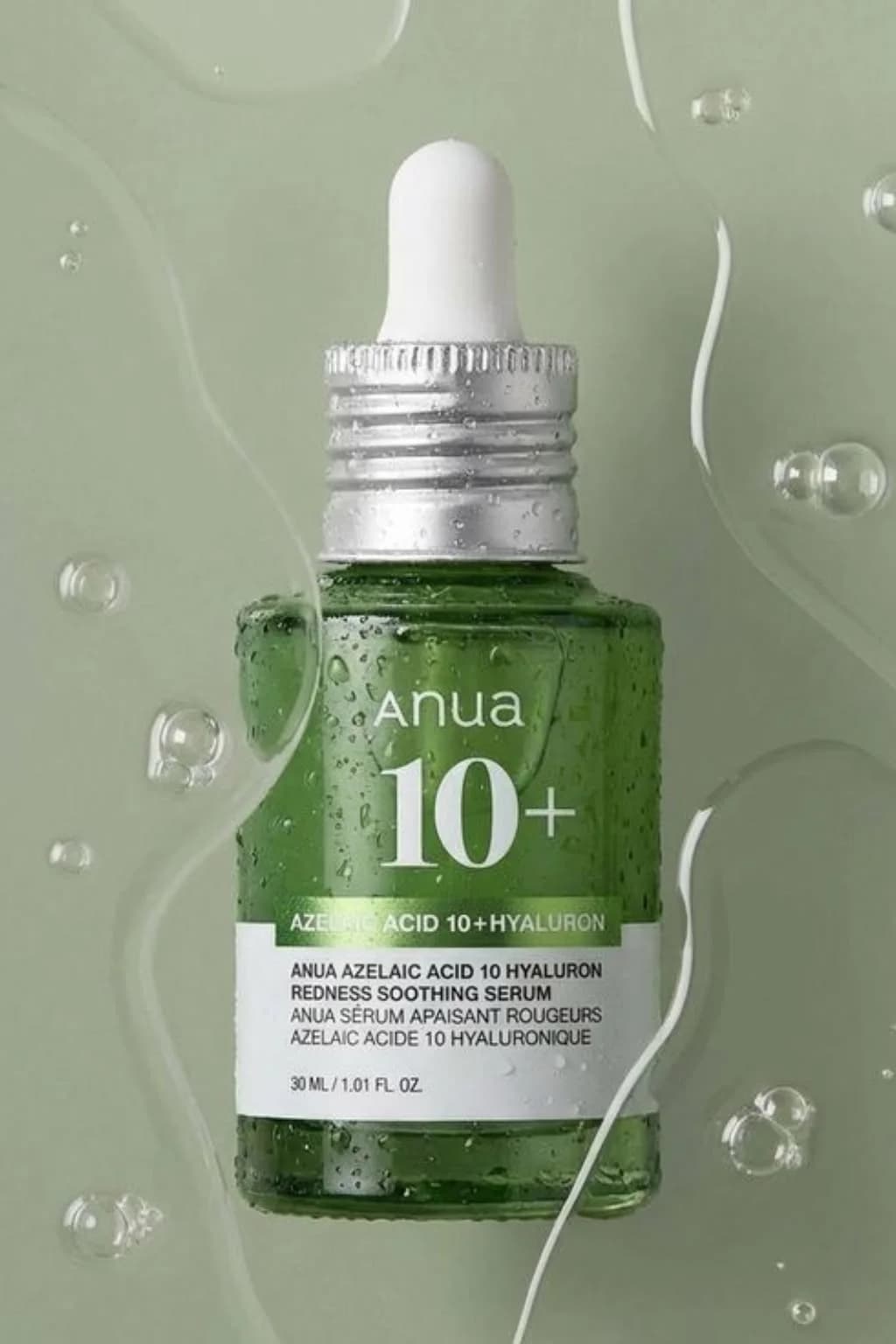
2. Treat redness at the source: Anua Azelaic Acid 10 + Hyaluron Redness Soothing Serum — 10% azelaic acid combined with hyaluronic acid, so it calms without drying. This is the formula that makes the difference for rosacea-prone and reactive skin.
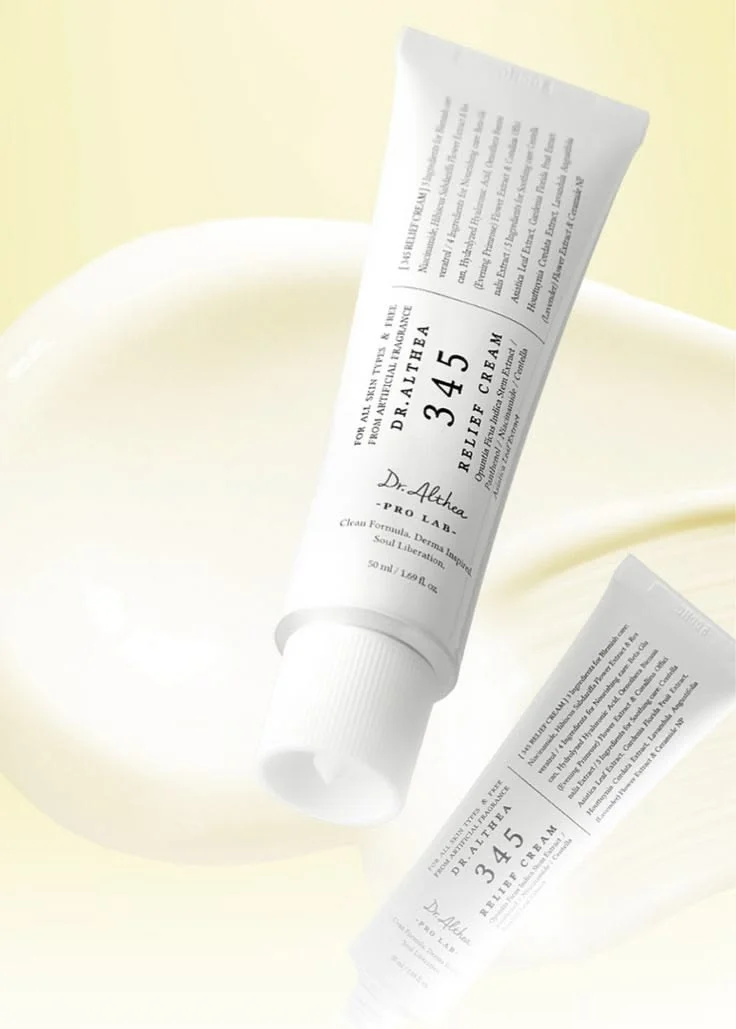
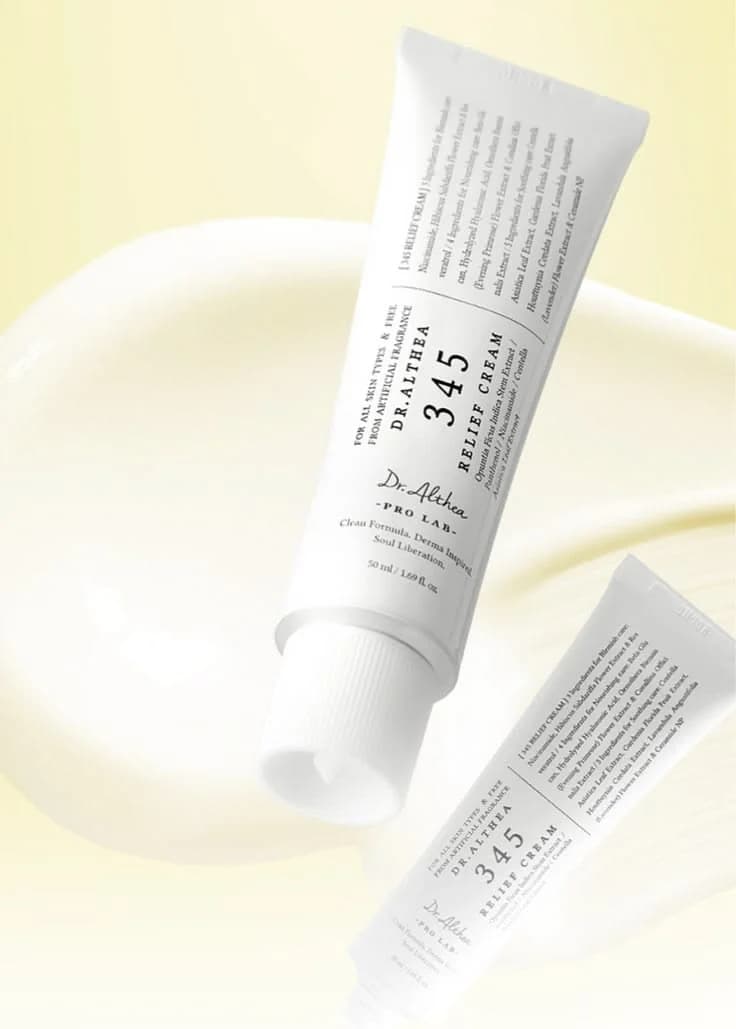
3. Seal with repair: Dr. Althea 345 Relief Cream — a fragrance-free cream built specifically for reactive skin: calms, strengthens the barrier, protects against overnight water loss.
The 2-week rule
When starting new products for redness: one new product every 2 weeks, not all three on the same day. If skin reacts, you'll know exactly which one is guilty. And SPF every morning without exception — UV is the #1 trigger for worsening redness and rosacea.
When to see a dermatologist
If redness is persistent (never fully disappears), you have visible vessels on cheeks and nose, or recurring red bumps — this is beyond skincare. See a dermatologist; prescription treatments + a gentle routine give the best results. Products like azelaic acid are the perfect support, not a replacement.
Want to know whether your redness comes from sensitivity, dehydration or a damaged barrier? The AI skin analysis reads it from one selfie — free, 60 seconds, the photo is never stored.
New to K-Beauty? Read our complete guide to Korean cosmetics — the brands, your first routine and the ingredients that actually work.
For this topic
These shop picks match what this note is about — soft rituals you can order with cash on delivery.
More from the journal